







Search Results for: Bitterness Suppression Principle

What Are the Benefits of Adding Salt to Coffee? Explaining the Principles Behind Bitterness Suppression, Flavor Enhancement, and Added Complexity
Adding salt to coffee may sound unbelievable, but this practice actually contains rich taste science. Salt can not only effectively suppress the bitterness of coffee, but also enhance sweetness, improve astringency, and even add layers by highlighting saltiness. This article will start from Front Street's perspective and systematically sort out the three major roles of salt in coffee: suppressing bitterness, improving quality and enhancing flavor, and adding layers, while analyzing the principles of taste interaction behind it. At the same time, the article will also remind readers of precautions when using it, such as dosage control and applicable scenarios. Whether you are a coffee lover or a pour-over player, you can gain practical inspiration from it. [more…]

Peet's Matcha Latte Praised as a Weight-Loss Miracle? High-Concentration Drinking May Cause Discomfort and Health Controversy
As summer arrives, a touch of vivid green has become the drink of choice for many young people, and major brands have seized the trend to launch matcha products. Amid this craze, Peet's matcha latte has unexpectedly gone viral for its rich taste, and many matcha lovers call it a "weight-loss miracle," citing its ability to effectively suppress appetite. Yet real consumer feedback is polarized: some feel no hunger all day, while others find their appetite sharpened after drinking it, or even experience nausea and queasiness. Does matcha actually suppress appetite? Is drinking it at high concentrations truly healthy? This article discusses the ingredients, consumer experiences, and health risks from multiple angles to help coffee and matcha lovers view this internet-famous drink rationally. [more…]

Starbucks launches $1 billion restructuring: the world's first Seattle Roastery permanently closes, with layoffs and store closures spreading across Europe and America.
Starbucks recently announced the launch of a restructuring plan totaling US$1 billion, involving the closure of underperforming company-operated stores and a new round of layoffs. According to a filing submitted to the U.S. Securities and Exchange Commission, most of the store closures will be completed before the end of fiscal 2025, with US$150 million for employee severance and US$85 million covering lease termination and asset disposal costs. CEO Niccol said in an open letter to employees that some stores failed to meet financial targets or create the environment customers expect, so the decision was made to immediately close some stores in North America. Foreign media reports say the restructuring will affect hundreds of coffee shops in the United States and Canada, including the world's first Roastery in Seattle's Capitol Hill and the SODO Reserve store in the company's headquarters building. This Roastery, which opened in 2014, is not only a pilgrimage site for Starbucks fans but also one of the first unionized stores in the brand's history, and its permanent closure without warning has sparked employee speculation about union suppression. At the same time, about 900 non-retail employees will receive layoff notices, marking the second round of layoffs since Niccol took office. Although the Europe, Middle East and Africa business is proceeding as planned, some stores in the UK, Switzerland and Austria will also close due to a portfolio review. [more…]
The Story Behind Rwanda's Coffee Industry: A Comprehensive Analysis of Red Bourbon Washed Processing and Pour-Over Flavor
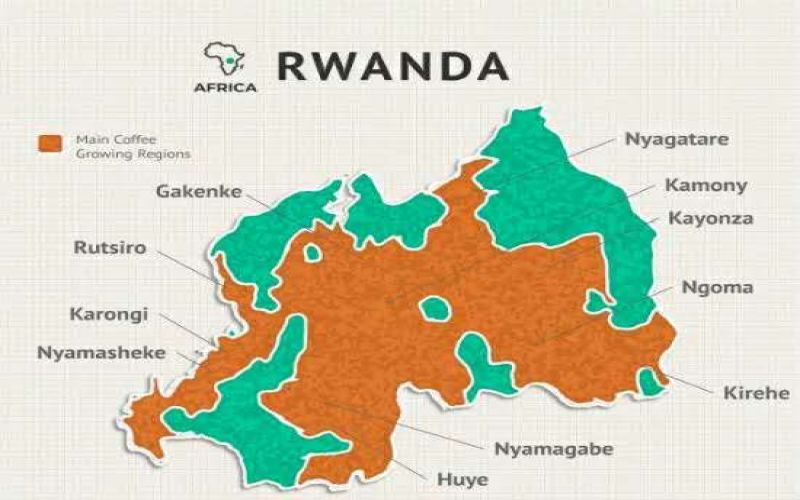
Although Rwanda is landlocked in Africa, it possesses unique coffee-growing conditions such as high altitude, volcanic soil, and abundant sunshine, and is known as the "Land of a Thousand Hills." However, the country's coffee industry has endured the severe trials of genocide, colonial suppression, and global price collapses. Today, Rwandan coffee is mainly of the Bourbon variety, with more than 90% processed by the washed method, presenting fresh flavors of floral aromas, citrus, and berries. Front Street Coffee takes you on an in-depth look at the historical background, producing regions, variety characteristics, and pour-over parameters of Rwandan coffee, and recommends the Giseke coffee and Red Bourbon washed beans launched by Front Street, to explore how this land is rebuilding life and the economy through coffee. [more…]
Yellow Bourbon Coffee Tasting Guide: From Aroma to First Sip, a Detailed Look at the Flavor Code of Brazil's Unique Bourbon Variety
Yellow Bourbon is a Bourbon variety unique to the state of São Paulo, Brazil, named for the orange-yellow color its fruit takes on when ripe. It once swept the top three places at Brazil's Cup of Excellence for two consecutive years, making it a star variety in the specialty coffee world. Front Street Coffee's Brazil Yellow Bourbon is dominated by nutty and chocolate flavors, with soft, balanced acidity, a faint, clean bitterness, and an overall bright, refreshing character. This article will guide you through the basic characteristics of Yellow Bourbon and systematically introduce the complete method of coffee tasting—from distinguishing dry and wet aromas to the sensory experience of sweetness, saltiness, acidity, bitterness, body, and cleanliness—helping you appreciate the charm of this unique coffee variety more professionally. [more…]
The Origins of Ethiopia's 74 Series Numbered Coffee Varieties and a Flavor Brewing Guide for 74158
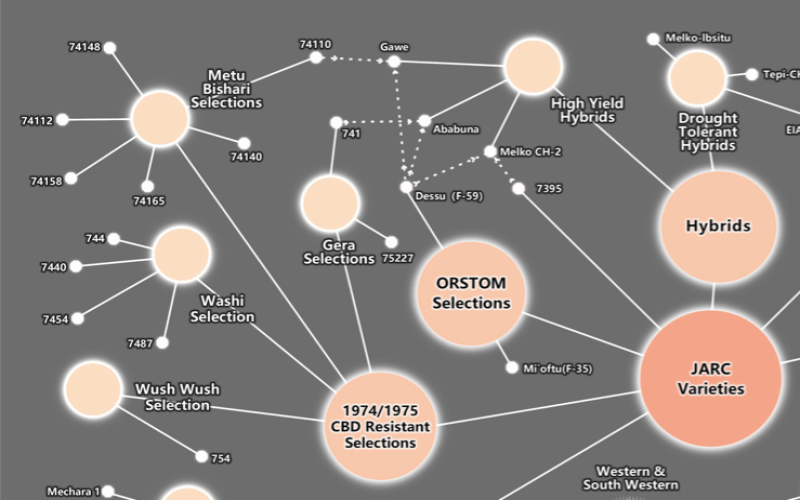
In the world of coffee, some varieties are not known by familiar names like Bourbon or Typica, but by a string of seemingly mysterious numbers, such as Ethiopia's 74 series, which begins with 7. Where did they come from, and what do the numbers represent? This article traces the background behind the creation of this group of disease-resistant varieties, explains the meanings of codes such as 741, 74110, 74158, and 74165, and focuses on the Sidamo Saint Vini 74158 sold by Front Street Coffee, sharing the flavor profile and pour-over parameters brought by its 96-hour anaerobic natural process, helping coffee lovers understand the story behind numbered varieties and their charm in the cup. [more…]

Can Coffee Still Be Reheated After It Cools Down? Front Street’s Real Tests with Pour-Over and Flat White Reveal the Truth About Taste
When the weather turns cold, coffee cools down especially quickly, and many customers ask: can it be reheated? Before answering this question, we need to first understand what actually happens after coffee cools down. Temperature affects how the taste buds perceive sourness, sweetness, and bitterness, and it also causes volatile aroma compounds to gradually dissipate. This time, Front Street Coffee specifically conducted a comparative experiment, leaving a light-roast pour-over and a medium-dark roast Australian white to cool separately before reheating, to see just how big the difference is between the rewarmed coffee and coffee that is freshly made or fully cooled. The experimental results can help you make a more rational decision in winter about whether this cup of cold coffee is really worth reheating once. [more…]
Coffee Preparation | Why don't coffee shops serve hot dirty coffee? How to make hot Dirty coffee at home? How does the taste of hot dirty differ from regular dirty?
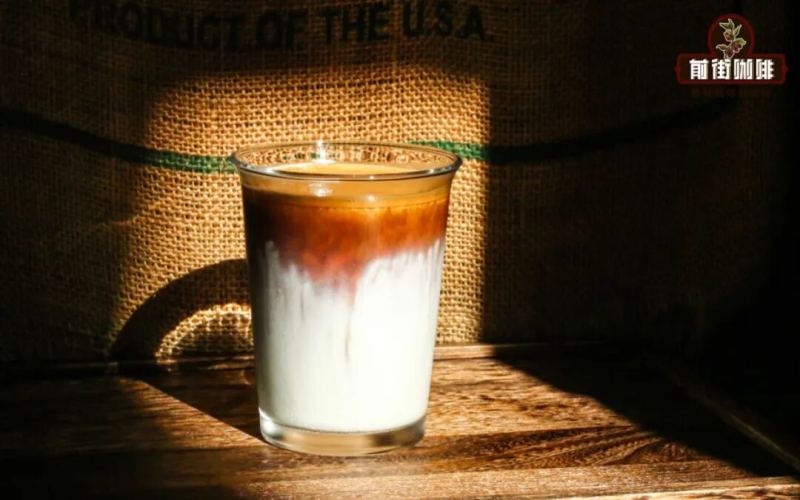
Customer: "Boss, I'll have a Dirty!" Front Street: "Coming right up!" Customer: "Make it hot!" Front Street: "..., sorry, we don't have that. Dirty isn't made hot..." In the daily life of a coffee shop, this kind of exchange is a common occurrence. Because the ingredients for making a Dirty [more…]
Guatemala La Flor Coffee Brewing Guide: Bean Resting Tips and V60 Pour-Over, Espresso Practical Parameters
Coffee from Guatemala's Antigua region is renowned for its rich chocolate and toffee sweetness, and the Flor coffee beans launched by Front Street Coffee are a representative example of this region. This article focuses on this washed Guatemalan Flor, covering the regional terroir, variety composition, and processing methods, then moving on to the design approach behind the medium roast profile. It also provides a complete espresso extraction plan, including specific parameters such as dose, yield, time, and grind setting, while also explaining pour-over and other diverse brewing methods. Whether you are a beginner who has just gotten a coffee machine or an experienced player looking to refine your SOE output, you can find operational details and adjustment directions to reference in this record. [more…]

All provisions of Kenya's Finance Bill withdrawn, yet unrest persists, coffee and tourism industries hit hard
On July 25, the Kenyan Parliament unanimously voted to delete all 65 clauses of the 2024 Finance Bill, yet failed to quell the escalating wave of public protests. From the clashes triggered by tax increases in June to the dissolution of the cabinet and the opposition party's entry into government, which sparked even greater discontent, the demonstrations have spread to Nairobi, Mombasa, and other places, affecting the tourism and coffee industries. As an important coffee-producing country in Africa, Kenya has seen coffee processing plants shut down and exports blocked, casting a grim outlook on the industry's development. Front Street Coffee continues to monitor developments in the producing areas and brings you in-depth analysis. [more…]

CHAGEE Ex-Employee's ID Number Publicly Displayed; Store Manager Involved Suspended
Recently, news about a former employee of Chagee whose ID number was publicly displayed by a store quickly went viral online, sparking widespread attention. According to multiple netizens, a woman in Zhoukou, Henan, discovered after leaving the brand that her name and ID number had been posted on an in-store notice, along with a statement about dismissal and blacklisting. The store first claimed the notice was only to deal with a supervisory inspection, then changed its statement and said the identity information was forged. At present, the store manager involved has been suspended, and the brand has intervened in the investigation. The incident has also triggered public discussion about the legal boundaries of how companies handle employees' personal information. Does publicly displaying an ID number constitute infringement? This article will sort out the sequence of events. [more…]
Analysis of Guatemalan Coffee Flavor Characteristics: Antigua Region Flor Coffee Bean Recommendation and Pour-Over Guide
Guatemalan coffee is renowned for its rich sweetness of chocolate and toffee alongside elegant floral acidity, and the Antigua region in particular, with its unique microclimate surrounded by three volcanoes, nurtures specialty beans that combine full body with layered complexity. The Flor coffee beans recommended by Front Street Coffee come from the La Minita estate in Antigua, are washed-processed, and display a rich flavor profile of citrus acidity, floral notes, and caramel smokiness. This article will guide you through the taste characteristics of Guatemalan coffee, the variety and processing techniques of the Flor beans, and share Front Street's pour-over parameters and three-stage pouring method to help you extract the lively layers of this bean within its optimal flavor window. [more…]
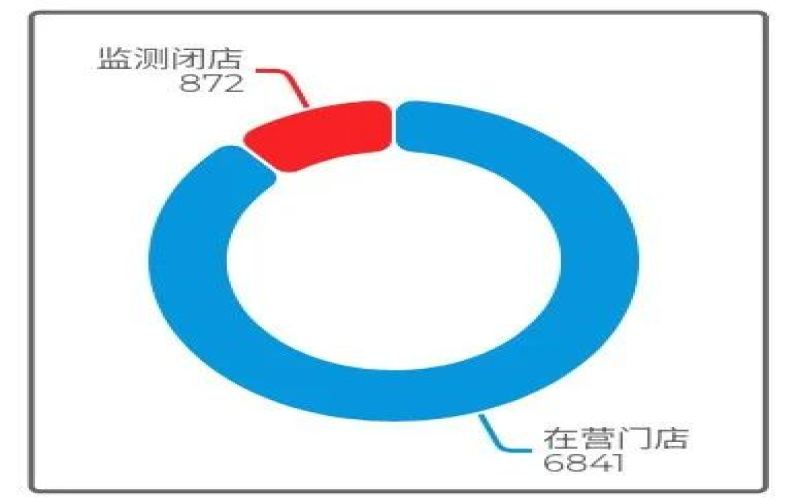
Cotti plans to open 50,000 convenience stores in three years, escalating the outlet battle with Luckin
Cotti Coffee recently announced an ambitious expansion plan: adding 8,000 convenience stores in the second half of the year, reaching a scale of 50,000 stores within three years, and striving to achieve a layout where "Cotti is within a hundred meters." However, as of the end of July, its actual operating stores were fewer than 7,000, still some distance from the goal. Meanwhile, Luckin has launched a counterattack with a scale of over 20,000 stores, curbing Cotti's growth through dense store placements. The two sides have shifted from a 9.9 yuan price war to a battle for locations. How will this competition between two brands from the same roots evolve? This article sorts out the store rivalry, strategic adjustments, and industry impact of the two major brands. [more…]
Which estate does UCC Jamaican Blue Mountain coffee come from? The legend of Ueshima Tadao's directly operated farm and a flavor analysis
The connection between Japanese coffee giant UCC and Jamaican Blue Mountain coffee can be traced back to a fixation held by Tadao Ueshima in the early 1980s—to give Japanese people a stable supply of authentic Blue Mountain. To this end, UCC established a directly operated farm in the Blue Mountain region, starting from Clayton House, overcoming steep-slope cultivation, wildfires, hurricanes, and many other difficulties, and ultimately shipping high-quality Blue Mountain coffee back to Japan in batches. Which estate does UCC Blue Mountain coffee actually come from? How does it taste? This article sorts through this cross-border history of coffee cultivation and introduces Front Street Coffee's recommendations and understanding of related beans, helping you understand the story and flavor behind UCC Blue Mountain. [more…]
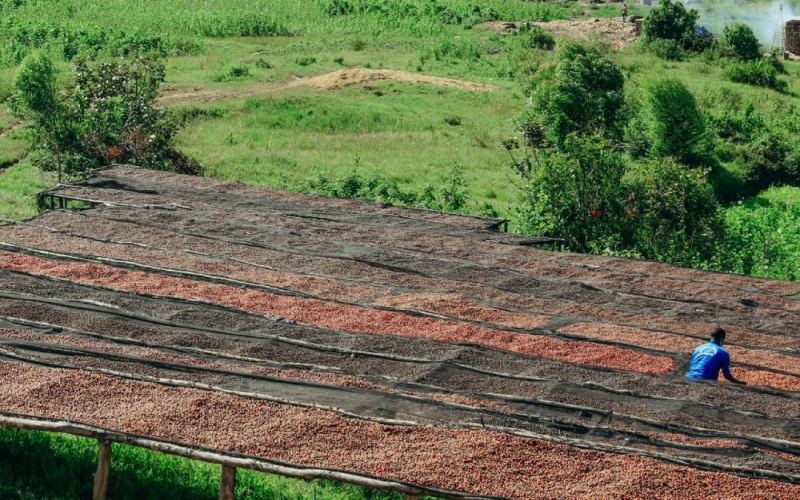
How the Red Cherry Project Rewrote the Quality Logic and Flavor Landscape of Ethiopian Yirgacheffe
Ethiopia is the birthplace of Arabica coffee, and Yirgacheffe is one of the most proud producing regions of this country. The specialty coffee produced here often does not cling to variety classification, but instead uses origin information and processing method as the core criteria for identification. Front Street Konga Red Cherry is a classic single-origin coffee from Yirgacheffe, presenting a flavor interwoven with berries, honey, black tea, and fermented notes through a refined natural process. This article begins with the harvesting method of coffee cherries, traces back to the Red Cherry project initiated in 2007 by the Dutch green bean merchant Trabocca, and analyzes how it broke the old cycle of "valuing weight over quality," promoted Ethiopian coffee toward specialization through fully manual picking of all-red cherries, small-batch production, and high cupping thresholds, and profoundly influenced the quality expression of producing regions such as Yirgacheffe. [more…]
Coffee Revival in the Land of a Thousand Hills: An Analysis of Rwandan Coffee Bean Flavor Characteristics and Regional Processing Methods
Rwanda is known as the "Land of a Thousand Hills," where high altitudes, volcanic soil, and abundant sunshine provide exceptional conditions for coffee cultivation. Yet the coffee industry in this heart of Africa endured the dual blows of colonial suppression and ethnic tragedy, only gradually reviving after independence. Today, Rwanda centers on the Bourbon variety and relies on meticulous washed processing to craft a bright flavor profile interwoven with floral notes, citrus, and berries. The Giseke coffee beans launched by Front Street Coffee come from the Nyamasheke region on the shores of Lake Kivu in the west, roasted at a medium-light level to present its fresh acidity and rich layers. This article will comprehensively decode the flavor secrets of Rwandan coffee, from its historical context and regional distribution to varietal characteristics and processing details. [more…]
Brazil Cerrado Region's Cerrado Coffee Beans: The Flavor Code from Wilderness to Specialty Certification
Cerrado (also spelled Hilado/Hilado), which means "savage land" in Portuguese, has now become synonymous with Brazilian specialty coffee. This flat plateau at an altitude of about 1,000 meters, with its unique soil, abundant groundwater, and modern agricultural technology, has completed a magnificent transformation from being ignored to becoming a world-class producing region. In 2005, the Brazilian government officially certified the "Cerrado Designation of Origin," and only coffee beans that pass strict testing and score more than 75 points under SCAA scoring can receive this honor. This article will take you through an in-depth understanding of the birth of Cerrado coffee, the establishment of the CACCER producers association, ecological cultivation methods, two harvesting models, and the traceability system, along with recommendations from Front Street Coffee. Whether you are a coffee enthusiast or a professional in the industry, you can feel the unique flavor and craftsmanship that this land gives to coffee. [more…]
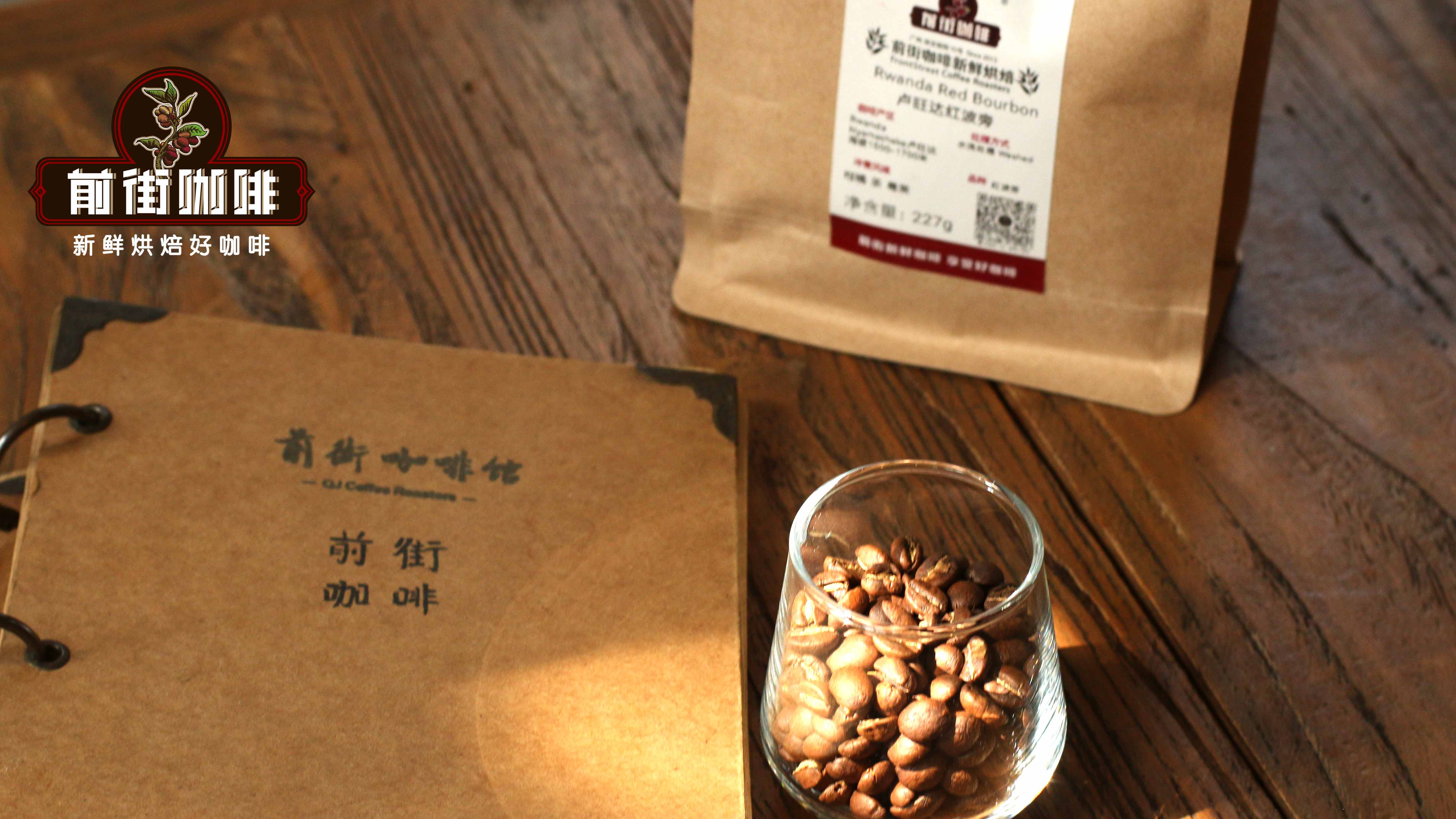
Analysis of Rwandan Coffee Bean Flavor Characteristics and Processing Techniques: From the Land of a Thousand Hills to Front Street Coffee Cupping Notes
Rwanda is known as the "Land of a Thousand Hills," where high altitude, volcanic soil, and abundant sunshine give its coffee unique flavor potential. Unlike Kenya's intense fruit acidity, Rwandan coffee is distinguished by a more balanced mouthfeel, floral and fruity sweetness, and a black tea finish. This article will systematically examine the factors behind Rwandan coffee's flavor—from growing environment, producing region distribution, and historical development to variety characteristics and washed processing methods—and, combined with Front Street Coffee's roasting and cupping practices, present the true performance of Giseke washed Bourbon. [more…]
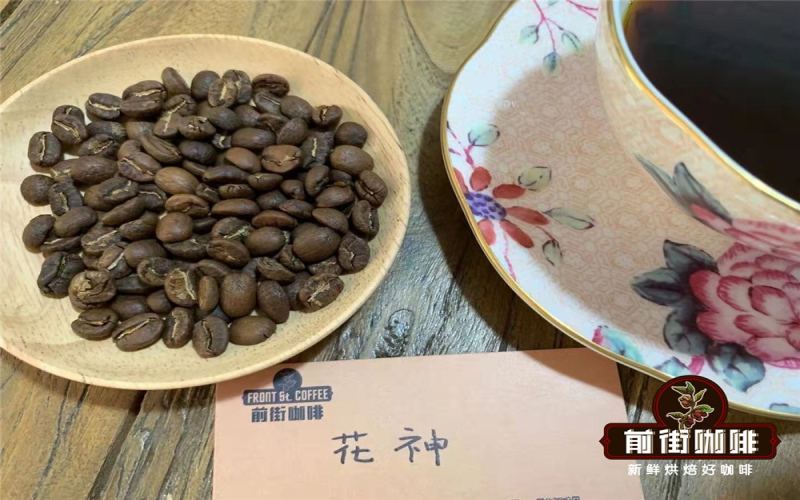
Exploring the Flavors of Guatemala Antigua Coffee: Volcanic Soil, Smoky Character, and Brewing Parameters for Flor del Café
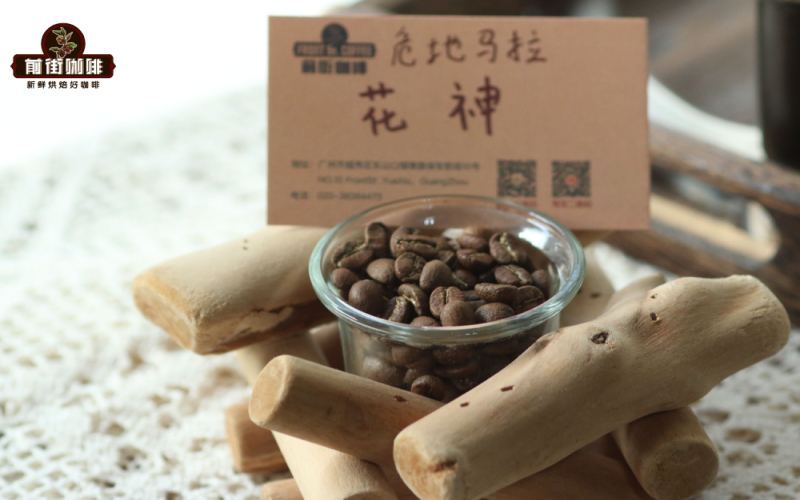
Guatemalan coffee is renowned worldwide for its distinctive volcanic smokiness and rich flavor, and the Antigua region in particular is hailed as a representative of the world's finest coffee. This article traces in depth the historical origins and growing environment of Antigua coffee, analyzes the causes of its tobacco and charcoal-roasted notes, and provides a detailed introduction to the varietal characteristics of La Minita Estate's Floral God coffee, its washed processing method, and Front Street Coffee's roasting and brewing recommendations. From Mayan civilization to modern specialty coffee, from the volcanic heartland to the flavors in your cup, this takes you on a comprehensive journey into the unique charm of this Central American coffee treasure. [more…]
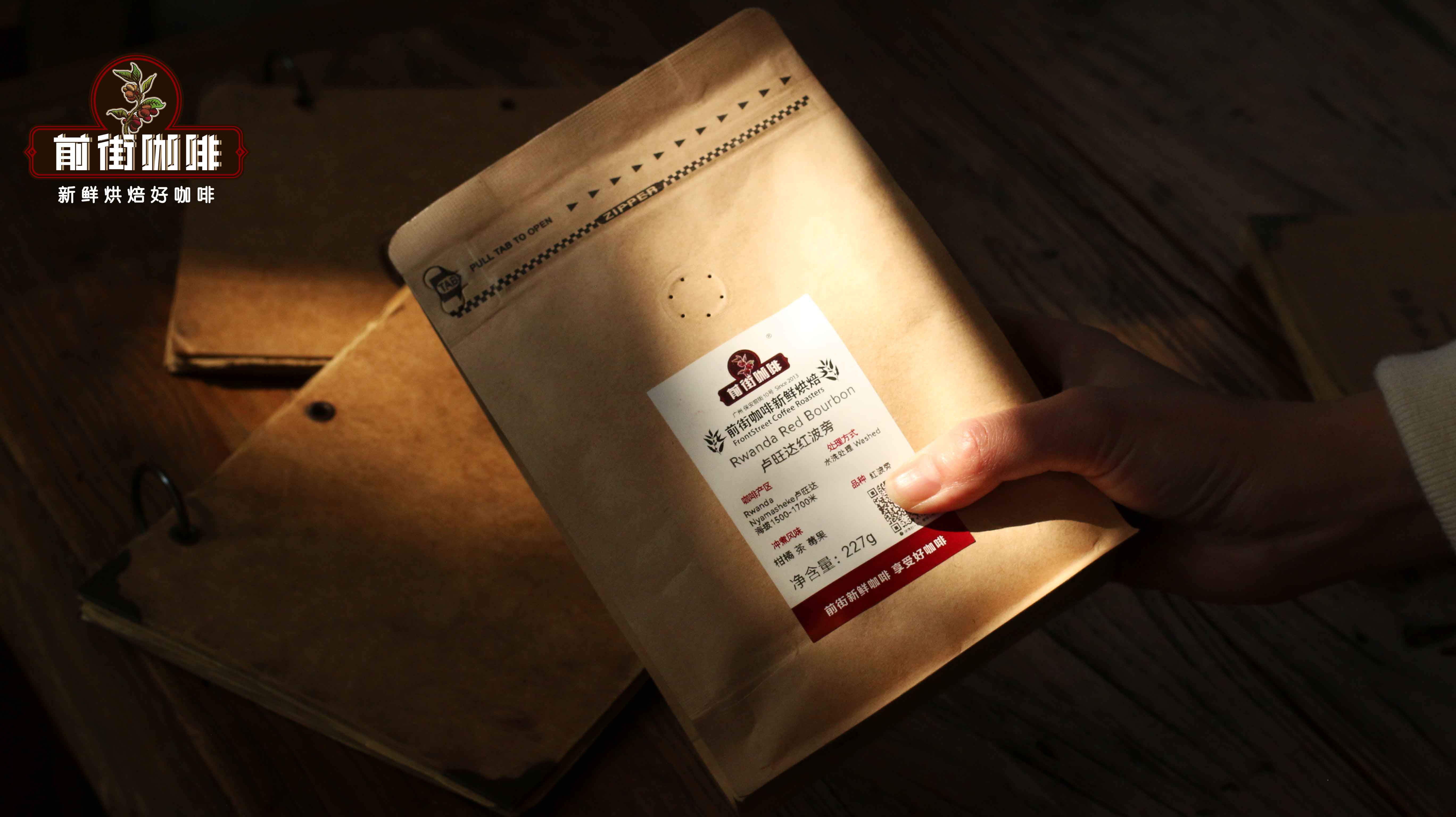
An Analysis of Rwandan Coffee Bean Origins, Flavors, and Processing Methods: From Gaseke Washed Bourbon to Starbucks Blue Bourbon
Rwanda, a high-altitude coffee-producing country in central Africa, is gradually coming into the view of coffee enthusiasts. This article starts from Rwanda's coffee history and development, growing environment, main producing regions, and washed processing method, and provides a detailed review of the country's coffee industry transformation, including the promotion of the PEARL and SPREAD programs, its performance in the COE competition, and the origin of Starbucks' "Blue Bourbon." At the same time, the Rwanda Giseke Washed Bourbon and Nyanmba Washed coffee beans launched by Front Street Coffee also provide specific roasting suggestions, cupping flavors, and brewing parameters, helping readers fully understand the unique charm of Rwandan specialty coffee. [more…]